
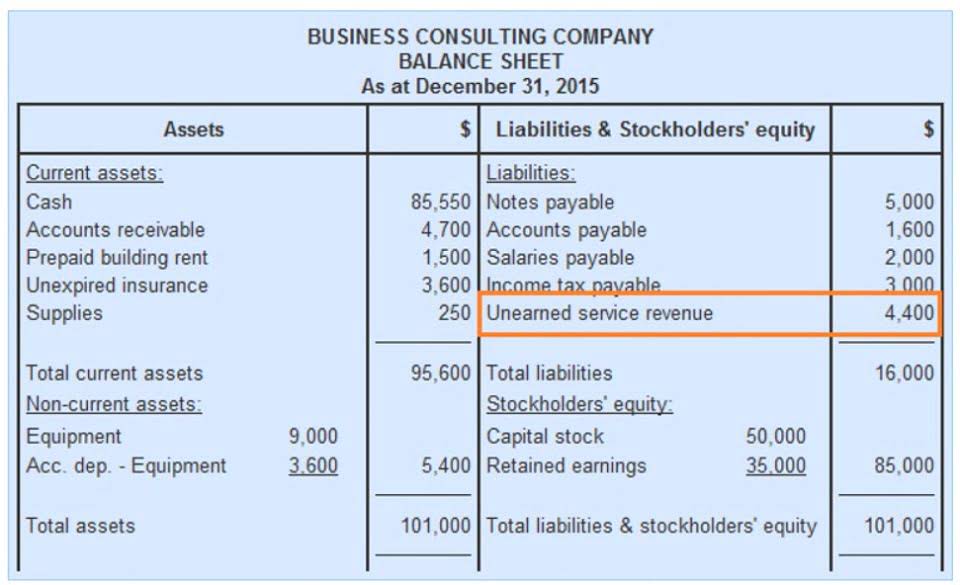
Reduces the book value of intangible assets over time and records amortization expense on the income statement. There are typically two types of amortisation in accounting- for loans (including principal and interest payments) and intangible assets. Understanding amortization in this context helps in managing cash flows, as it offers predictable monthly payments that cover both the principal and interest. It what is accumulated amortization also aids in long-term strategic planning, allowing businesses to forecast when major expenses like refinancing or property upgrades will be viable.
Excel Functions for Loan Amortization
There are easy-to-use amortisation calculators that can help you figure out the best loan principal repayments schedule, taking into account the interest rates and loan type and terms. As goodwill is an intangible asset, goodwill amortisation effectively reduces the value of the goodwill asset in gradual amounts over a ten-year period on a straight line basis. Running a small business means you are no stranger to the financial juggling of your expenses, assets, and cash flow.
- This practice also ensures compliance with accounting standards and enhances the credibility of financial statements for stakeholders and investors.
- Examples include customer lists and relationships, licensing agreements, service contracts, computer software, and trade secrets (such as the recipe for Coca-Cola).
- Companies have a lot of assets and calculating the value of those assets can get complex.
- As goodwill is an intangible asset, goodwill amortisation effectively reduces the value of the goodwill asset in gradual amounts over a ten-year period on a straight line basis.
What Is an Example of Depreciation?
- Dreamzone Ltd will record this expense on the income statement, which will reduce the company’s net income.
- Invest in ACTouch today and unlock the full potential of your manufacturing business through optimized amortization practices.
- In terms of borrowing, understanding amortization schedules allows businesses to anticipate their cash obligations more accurately.
- Both amortization and depreciation are deductible expenses for tax purposes, but rules and regulations can vary significantly between different types of assets.
- For borrowers, understanding the amortization schedule is important for budgeting and financial planning.
- For U.S. federal income tax purposes, most acquired intangible assets are classified as Section 197 intangibles and must be amortized over 15 years, regardless of their actual useful life.
Some examples include the Bookkeeping for Startups straight-line method, accelerated method, and units of production period method. After capitalizing natural resource extraction costs, you can easily allocate the expenses across different periods based on the extracted resource. Until that time, when the expense recognition takes place, these costs are usually held on the balance sheet. There is no set length of time am intangible asset can amortize it could be for a few years to 30 years.
Financial Reporting
Amortization is a fundamental financial and accounting concept that serves as a vital mechanism for businesses to systematically allocate costs and manage liabilities over time. At its core, amortization represents the structured repayment of a loan or the systematic allocation of the cost of an intangible asset over its useful life. In the context of loans, every payment reduces both the principal and accrued interest, leading to eventual debt elimination. Amortization is the systematic write-off of the cost of an intangible asset to expense. A portion of an intangible asset’s cost is allocated to each accounting period in the economic (useful) life of the asset. Only recognized intangible assets with finite useful lives are amortized.
Benefits of Understanding Amortization
Loans are also amortized because the original asset value holds little value in consideration for a financial statement. The notes may contain the payment history but a company must only record its current level of debt, not the historical value less a contra asset. The credit side of the amortization entry may go directly to the intangible asset account depending on the asset and materiality. Depreciation entries always post to accumulated depreciation, a contra account that reduces the carrying value of capital assets. An amortization schedule is often used to calculate a series of loan payments consisting of both principal and interest in each payment like a mortgage. Amortization is the reduction in the carrying value of the balance because a loan is an intangible item.

Accounts Receivable Solutions
Some assets subject to amortized Cost include bonds held until maturity, loans receivable, intangible assets like patents or copyrights, and certain long-term investments. This means it reduces reported earnings but does not involve an immediate outflow of cash. In contrast, loan amortization involves actual cash payments, affecting liquidity. When companies amortize intangible assets, they avoid distorting profits by expensing a large one-time cost in a single period. Instead, recording transactions the cost is spread out, reflecting the gradual consumption of the asset’s economic benefits.
Step-by-step Guide on Calculating Loan Payments
A debit for depreciation expenses and credit for accrued depreciation are recorded every month in the general ledger. Debit depreciation expenses represent the margin of the net income while accrued credit depreciation serves to control a balanced account. In general, amortization is spread out evenly over the asset’s useful life.

The straight-line method is the most common approach for amortization expenses. It spreads the cost of the asset evenly across each accounting period in its useful life. Due to its simplicity and predictability, it is the default method under GAAP. Moreover, amortization is not just an accounting formality but a dynamic tool that influences borrowing strategies, investment planning, and asset management. A manufacturer finances new equipment with a loan amortized over 7 years.

- With each payment, the portion that goes towards reducing the principal balance increases while the interest portion decreases.
- Instead of continuing the existing schedule, the company immediately expenses the remaining $45,000 in that year.
- It spreads the cost of the asset evenly across each accounting period in its useful life.
- If an intangible asset has an unlimited life, then it is still subject to a periodic impairment test, which may result in a reduction of its book value.
Failure to pay can significantly hurt the borrower’s credit score and may result in the sale of investments or other assets to cover the outstanding liability. This method is usually used when a business plans to recognize an expense early on to lower profitability and, in turn, defer taxes. Another common circumstance is when the asset is utilized faster in the initial years of its useful life.
Incorporating amortization into your strategic financial planning offers several advantages. This strategic alignment allows for a more predictable financial future, letting you plan major expenses and investments with confidence. The amortization schedule refers to systematically recognizing the expense to amortize an intangible asset’s original value (or cost) over its useful life assumption. The depreciation expense reduces the carrying value of tangible, fixed assets (PP&E), which refer to physical assets that can be touched, such as machinery, tools, and buildings. For individuals and businesses, understanding the amortization of loans helps in planning monthly budgets and long-term financial strategies. Knowing how much needs to be paid, when, and how much of it goes towards interest versus principal allows for better financial management and decision-making.